
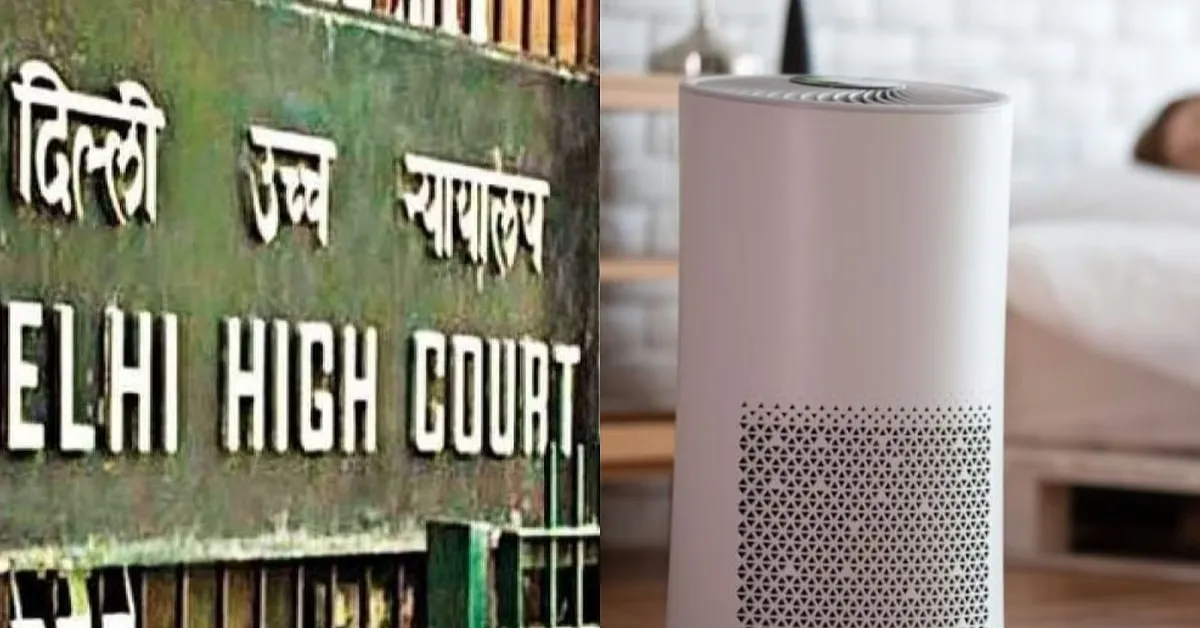
Air pollution has become one of the most serious public health challenges in India, particularly in metropolitan cities like Delhi. Every year, residents brace themselves for months of toxic air, school closures, health advisories, and restrictions on outdoor movement. In this context, air purifiers have moved from being niche lifestyle products to essential health devices for many households. Recognising this reality, the Delhi High Court recently urged the Central government to consider reducing the Goods and Services Tax on air purifiers if clean air cannot be assured. This observation has triggered a wider debate on environmental responsibility, public health priorities, and the role of taxation in a polluted economy.
Delhi’s Air Pollution Problem: A Long-Standing Crisis
Delhi’s air pollution is not a seasonal inconvenience but a chronic issue that worsens every winter. Vehicular emissions, industrial pollution, construction dust, garbage burning, and stubble burning in neighbouring states together create a hazardous mix of pollutants. Weather conditions such as low wind speed and temperature inversion trap these pollutants close to the ground, pushing air quality into the “severe” category for days or even weeks.
Despite multiple interventions over the years, including emission norms, traffic restrictions, and emergency pollution control plans, the problem remains unresolved. Residents have learned to live with smog-filled skies, poor visibility, and health advisories that warn against outdoor exercise. In such an environment, ensuring clean indoor air becomes critical.
Health Impact of Polluted Air
The health consequences of prolonged exposure to polluted air are well documented. Air pollution is linked to respiratory illnesses such as asthma, bronchitis, and chronic obstructive pulmonary disease. It also increases the risk of heart disease, stroke, and lung cancer. Children, elderly people, pregnant women, and individuals with pre-existing health conditions are especially vulnerable.
Hospitals in Delhi often report a spike in respiratory cases during high-pollution periods. The economic cost of treatment, missed workdays, and reduced productivity places an additional burden on families and the healthcare system. For many, investing in an air purifier is a preventive measure to reduce these risks, especially for indoor spaces where people spend most of their time.
Air Purifiers: From Luxury to Necessity
A decade ago, air purifiers were largely marketed as premium lifestyle appliances. Today, they are increasingly viewed as essential health-protection devices in polluted cities. Doctors frequently recommend air purifiers for households with young children or patients with breathing difficulties. Schools, offices, and hospitals also rely on them to maintain safer indoor environments.
This shift in perception is central to the Delhi High Court’s observation. When citizens are compelled to purchase air purifiers due to environmental conditions beyond their control, treating these devices as luxury goods for taxation purposes appears unreasonable.
Current GST Structure on Air Purifiers
Under the existing GST regime, air purifiers attract a relatively high tax rate, similar to other electronic appliances. This significantly increases their retail price, making them unaffordable for many middle- and lower-income families. While premium models remain out of reach for most, even basic models become expensive once taxes are added.
The court questioned the logic of imposing such a tax burden on products that are effectively serving as protective equipment against polluted air. It suggested that if the state cannot ensure clean air, it should not penalise citizens who take steps to protect their health.
Delhi High Court’s Observations and Constitutional Angle
The Delhi High Court made its remarks while hearing matters related to air pollution and public welfare. The court highlighted the contradiction between the government’s inability to guarantee clean air and its decision to tax air purifiers heavily. It raised concerns about fairness and the state’s duty toward its citizens.
The observation aligns with Article 21 of the Constitution, which guarantees the right to life and has been interpreted by courts to include the right to a clean and healthy environment. Judicial interventions in environmental matters have often influenced policy changes, and this case could prompt a re-evaluation of how essential health-protective devices are taxed.
Public Health Versus Revenue Considerations
One of the key issues in the GST debate is the balance between government revenue and public health. While reducing GST on air purifiers may lead to a short-term loss in tax revenue, the long-term benefits could be significant. Improved indoor air quality can reduce healthcare costs, lower the burden on hospitals, and enhance overall productivity.
From a policy perspective, preventive health measures are often more cost-effective than treating chronic diseases caused by pollution. Making air purifiers more affordable could be seen as an investment in public health rather than a revenue sacrifice.
Equity and Social Justice Concerns
Air pollution affects everyone, but access to protection does not. Wealthier households can afford advanced air purification systems, while economically weaker sections remain exposed to hazardous air. This creates an uneven health burden across society.
Reducing GST on air purifiers could improve accessibility and help bridge this gap. It would signal that the government recognises clean air as a basic need rather than a privilege. Such a move would align with broader goals of social equity and inclusive development.
Government Responsibility and Long-Term Solutions
While the court’s suggestion focuses on GST, it does not replace the need for long-term pollution control measures. Reducing emissions at the source remains the most effective solution. This includes promoting clean energy, improving public transport, regulating construction activities, and encouraging sustainable farming practices.
However, these measures take time to yield results. In the interim, supportive policies such as tax relief on air purifiers can provide immediate relief to citizens struggling with poor air quality.
Impact on Industry and Market Dynamics
A reduction in GST could also positively impact the air purifier industry. Lower prices may increase demand, encourage competition, and drive innovation in affordable models. Domestic manufacturers could benefit from higher sales volumes, supporting local production and employment.
At the same time, policymakers would need to ensure quality standards are maintained so that increased affordability does not lead to the proliferation of ineffective products.
Global Perspective on Clean Air and Taxation
Several countries facing environmental challenges have adopted supportive policies for clean-air solutions. Subsidies, tax exemptions, and incentives for air-cleaning technologies are common in regions where pollution poses a serious health risk. Learning from such global practices could help India design a more people-centric approach.
What Lies Ahead
The Delhi High Court’s observation is advisory, but it carries moral and legal weight. The Centre may choose to review the GST classification of air purifiers or introduce targeted relief measures for high-pollution areas. Any decision will likely involve discussions within the GST Council and consultations with health and environmental experts.
Public awareness and advocacy are also likely to influence the outcome. As pollution continues to affect daily life, demands for practical and compassionate policy responses are expected to grow.
Conclusion
The call to reduce GST on air purifiers highlights a larger issue about how governments respond to environmental crises. When clean air cannot be guaranteed, citizens should not be burdened for protecting their health. The Delhi High Court’s observation challenges policymakers to rethink priorities and recognise air purifiers as essential tools rather than luxury items. A balanced approach that combines strong pollution control measures with supportive taxation policies could mark an important step toward safeguarding public health and environmental justice in India.