
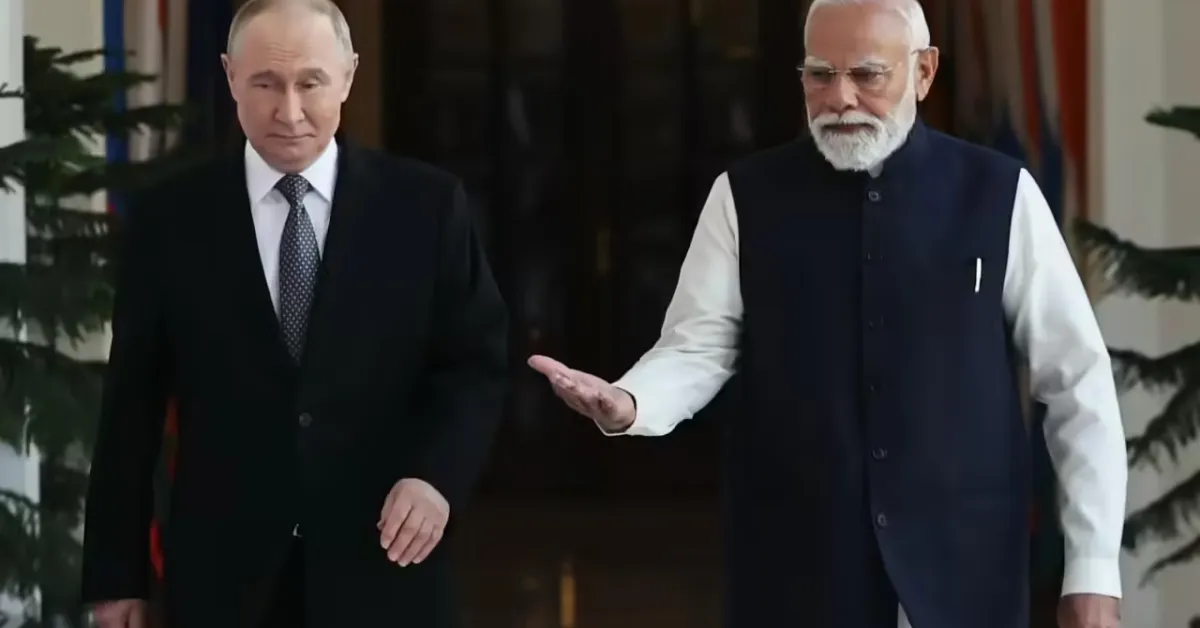
Reports of an alleged attack on the residence of Russian President Vladimir Putin have triggered global concern, drawing reactions from several world leaders. Among them, Indian Prime Minister Narendra Modi expressed deep concern over the developments and emphasized the urgent need for restraint and dialogue. His statement reflects India’s long-standing position on global conflicts, highlighting diplomacy, peaceful resolution, and stability over escalation. At a time when international tensions are already high, Modi’s response has been closely watched for what it signals about India’s approach to global security challenges.
What the Reports Claim
According to initial reports circulating in international media, an attack was allegedly carried out near or at President Vladimir Putin’s residence. While details remain unclear and official confirmation has been limited, the reports have raised serious questions about internal and external security dynamics in Russia. The nature of the incident, whether symbolic, targeted, or exploratory, is still being assessed by Russian authorities. Despite the uncertainty, the news has prompted reactions worldwide due to its potential implications for regional and global stability.
PM Modi’s Reaction and Key Message
Prime Minister Narendra Modi reacted to the reports by stating that he was deeply concerned by the incident. He stressed the importance of restraint and urged all sides involved to prioritize dialogue over confrontation. Modi’s words were measured and cautious, avoiding blame or speculation while focusing on de-escalation. His emphasis on dialogue aligns with India’s consistent advocacy for peaceful engagement, even in situations involving major geopolitical powers.
India’s Diplomatic Position
India has traditionally maintained a balanced and independent foreign policy, particularly in matters involving global powers. Modi’s response fits into this framework, where India avoids taking sides prematurely while encouraging peaceful solutions. By calling for restraint, India reinforces its image as a responsible global actor that values stability and constructive diplomacy. This approach allows India to maintain strong relations with multiple countries, including Russia, while also engaging with other global stakeholders.
Why the Statement Matters
PM Modi’s reaction is significant for several reasons. First, India shares a long-standing strategic partnership with Russia, encompassing defense, energy, and diplomatic cooperation. Second, India also has strong ties with Western nations that are closely monitoring developments related to Russia. Modi’s neutral and peace-focused response helps India navigate these complex relationships without escalating tensions or compromising its diplomatic standing.
Global Reactions and Concerns
The reported attack has sparked concern among world leaders and international organizations. Many fear that such incidents could lead to retaliatory actions, further destabilizing an already volatile global environment. Calls for calm, investigation, and dialogue have emerged from various quarters. Modi’s statement aligns with this broader international sentiment, reinforcing the idea that escalation would only worsen existing conflicts and uncertainties.
The Broader Geopolitical Context
The reports come at a time when global geopolitics is marked by conflicts, economic pressures, and shifting alliances. Any incident involving a major world leader like Vladimir Putin has the potential to ripple across international markets, security frameworks, and diplomatic relations. Modi’s emphasis on dialogue underscores the need to prevent isolated incidents from turning into larger confrontations that could affect global peace.
India’s Track Record on Peace Advocacy
India has consistently advocated for peaceful resolution of conflicts, whether in regional disputes or global crises. From calling for dialogue in ongoing conflicts to participating in peacekeeping missions, India has positioned itself as a voice of moderation. Modi’s response to the reported attack continues this tradition, reinforcing India’s role as a country that prioritizes diplomacy and dialogue over aggression.
Implications for India Russia Relations
India and Russia share decades of cooperation across various sectors. Modi’s carefully worded response ensures that India expresses concern without undermining this relationship. By focusing on restraint rather than accusations, India avoids contributing to narratives that could strain bilateral ties. This approach also reassures Russia that India remains committed to constructive engagement even during sensitive moments.
The Importance of Verified Information
One notable aspect of the situation is the lack of confirmed details about the alleged attack. Modi’s cautious tone reflects the importance of relying on verified information before drawing conclusions. In an era of rapid news cycles and misinformation, such restraint from world leaders helps prevent panic, speculation, and unnecessary escalation.
Dialogue as a Tool for Stability
Dialogue remains a central theme in Modi’s response. In international relations, dialogue serves as a critical tool for understanding intentions, resolving misunderstandings, and building trust. By urging dialogue, Modi highlights the need for communication channels to remain open, even during times of crisis. This approach reduces the risk of miscalculations that could lead to conflict.
Public and Diplomatic Perception
Domestically, Modi’s statement is likely to be seen as responsible and aligned with India’s global image. Internationally, it reinforces India’s reputation as a stabilizing force that advocates peace. Such perceptions are important as India continues to expand its role on the global stage, including in forums focused on security, development, and multilateral cooperation.
Challenges Ahead
While calls for restraint and dialogue are essential, implementing them in practice remains challenging. Geopolitical rivalries, domestic pressures, and security concerns often complicate diplomatic efforts. Modi’s statement, however, sets a constructive tone, encouraging stakeholders to prioritize long-term stability over short-term reactions.
Conclusion
Prime Minister Narendra Modi’s reaction to reports of an attack on Vladimir Putin’s house reflects India’s consistent commitment to peace, restraint, and dialogue. By expressing deep concern without resorting to blame or speculation, Modi underscores the importance of de-escalation in an increasingly complex global environment. His call for dialogue serves as a reminder that even in moments of uncertainty and tension, communication and diplomacy remain the most effective tools for maintaining stability. As the world awaits clearer information about the incident, Modi’s response stands as an example of measured leadership focused on global peace rather than confrontation.