
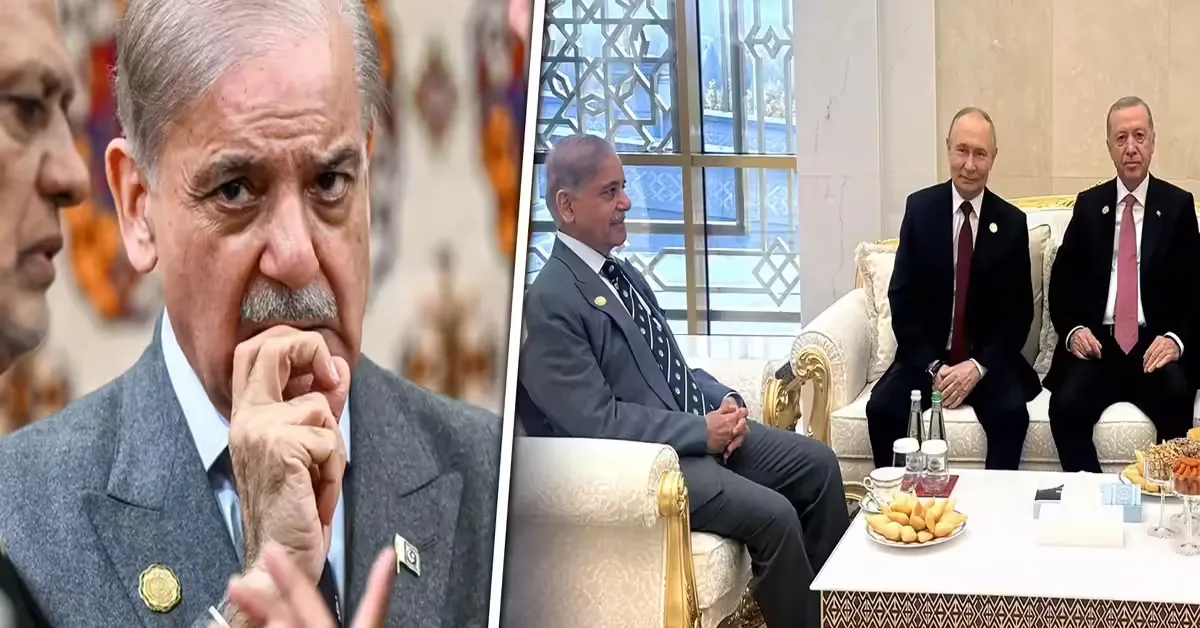
In modern politics, public perception is shaped as much by visuals as by policy decisions. A single photograph, awkward gesture, or poorly timed remark can overshadow months of diplomatic effort. For Pakistan Prime Minister Shehbaz Sharif, several global appearances have gone viral not for their substance but for how they were perceived online. In an age dominated by social media, these moments quickly transformed into memes, fueling satire and criticism far beyond Pakistan’s borders.
While international diplomacy demands seriousness and decorum, the internet thrives on humor, irony, and visual storytelling. The contrast between formal global platforms and informal digital reactions has repeatedly worked against Shehbaz Sharif, turning otherwise routine diplomatic moments into trending online jokes.
This blog looks at five major global moments where optics failed, examining how these incidents unfolded and why they resonated so strongly with online audiences.
The Power of Optics in Global Politics
Optics play a critical role in international leadership. A leader’s body language, facial expressions, and interactions often communicate as much as official statements. In global forums where leaders are constantly photographed and recorded, even minor missteps can become symbolic.
For Shehbaz Sharif, whose leadership style is often viewed as restrained and formal, certain moments stood out sharply against expectations. These moments did not necessarily reflect policy failures but became visual narratives that social media users reshaped into memes and commentary.
The issue was rarely what was said, but how it looked.
Moment One: The Handshake That Refused to Go Viral Politically but Did Online
One of the earliest meme moments emerged from an international summit where Shehbaz Sharif appeared visibly eager during a handshake with a world leader. The prolonged gesture, captured from multiple angles, quickly became a talking point online.
Social media users compared the moment to exaggerated scenes of diplomatic desperation. Memes highlighted the contrast between Pakistan’s desire for global engagement and the perceived lack of equal enthusiasm from the counterpart.
While diplomatically harmless, the optics suggested imbalance, something the internet amplified mercilessly.
Moment Two: The Awkward Group Photo at a Global Summit
Group photographs are designed to project unity and confidence. However, one global summit image featuring Shehbaz Sharif standing slightly off position caught the internet’s attention.
In the photo, his posture and placement created the impression of discomfort or exclusion, even though it was likely a matter of logistics. Online users turned the image into memes suggesting Pakistan’s isolation on the world stage.
This moment demonstrated how still images can tell unintended stories when detached from context.
Moment Three: The Expression That Said More Than Words at the United Nations
During a high profile United Nations session, Shehbaz Sharif was captured with a facial expression that many online users interpreted as confusion or frustration. The image circulated widely, paired with sarcastic captions and humorous interpretations.
Memes suggested everything from disbelief at global politics to exaggerated reactions to international criticism. The seriousness of the forum contrasted sharply with the humor it generated online.
Once again, the narrative was driven not by his speech but by a single frozen frame.
Moment Four: The Over Formal Outfit That Sparked Fashion Memes
At an international event where leaders opted for relatively relaxed formal wear, Shehbaz Sharif appeared in an especially traditional and formal outfit. While culturally appropriate and dignified, the contrast stood out.
Social media users turned this difference into memes comparing traditional diplomacy with modern global trends. Some praised the cultural pride, while others used it humorously to suggest a disconnect with contemporary global optics.
This moment showed how even wardrobe choices can become symbolic in the age of instant online judgment.
Moment Five: The Gesture Caught on Camera That Went Viral for the Wrong Reasons
Perhaps the most widely shared meme moment involved a hand gesture made during an international interaction. Though likely unintentional, the gesture was interpreted humorously online and quickly turned into looping videos and reaction memes.
The internet thrives on repetition, and this clip provided perfect material. What might have gone unnoticed in pre social media times became a defining visual moment.
It reinforced how constant camera presence leaves no room for private or unguarded moments.
Why These Moments Resonated So Strongly Online
The global audience responds strongly to visual storytelling. Shehbaz Sharif’s meme moments resonated because they fit into broader narratives already present online. These included perceptions of Pakistan’s diplomatic challenges, leadership comparisons, and global power dynamics.
Memes simplify complex realities into easily digestible visuals. Once a leader becomes associated with meme culture, each subsequent appearance is viewed through that lens, often unfairly.
In Shehbaz Sharif’s case, the internet created a recurring character rather than engaging with policy outcomes.
The Double Edged Sword of Digital Diplomacy
Digital platforms allow leaders to reach global audiences directly, but they also expose them to relentless scrutiny. Every movement can be clipped, edited, and reframed within minutes.
For developing nations especially, global leaders often face harsher judgment due to existing biases. Memes can reinforce stereotypes and distract from serious diplomatic efforts.
Shehbaz Sharif’s experience highlights how modern leadership requires not only political skill but also media awareness and visual strategy.
Are Memes Always Negative for Political Leaders
Not necessarily. Some leaders have embraced meme culture, using humor to appear relatable. However, this approach requires careful balance.
In Shehbaz Sharif’s case, the memes largely framed him as awkward or out of place, rather than approachable. This distinction matters. When memes undermine authority, they can weaken international perception.
The challenge lies in controlling the narrative without appearing defensive or out of touch.
Lessons for Global Leaders in the Age of Virality
The key lesson from these moments is that global leadership now includes visual literacy. Leaders must be aware that cameras are always active and that optics matter as much as policy language.
Media training, strategic positioning, and cultural awareness can reduce the risk of viral misinterpretation. More importantly, leaders need teams that understand digital trends and anticipate how moments may be received online.
Ignoring meme culture is no longer an option for those on the global stage.
Conclusion: Optics Can Define a Legacy Faster Than Policy
Shehbaz Sharif’s meme moments serve as a reminder that in today’s hyper connected world, perception often travels faster than substance. A single image can overshadow hours of diplomatic negotiation.
While these viral moments may fade with time, they highlight the evolving nature of political leadership. Optics are no longer secondary. They are central to how leaders are judged, remembered, and sometimes mocked.
For global leaders, the message is clear. In the digital age, every appearance is a performance, whether intended or not.